


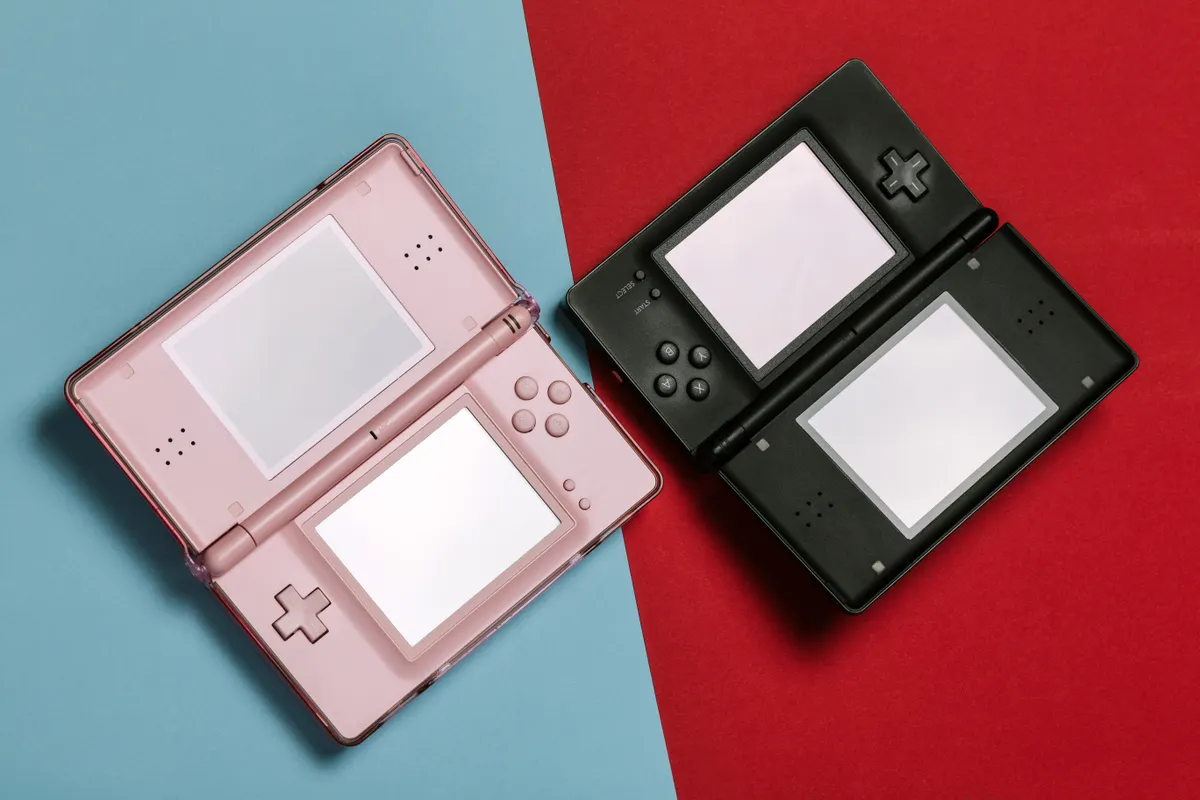
The ANBERNIC RG DS Plus has moved from teaser to proper reveal, with a six-minute gameplay video now showing the dual-screen clamshell in action across Nintendo DS, PSP and SEGA Mega Drive titles, and confirmed pricing that keeps the device under $100. According to Retro Handhelds, the RG DS Plus goes live on AliExpress and ANBERNIC’s own website on 15 September at 18:00 Beijing Time (03:00 Pacific).
Pricing and the 72-Hour Window
Retro Handhelds reports that the ANBERNIC RG DS Plus will launch at $84.99 for the first 72 hours, after which it rises to $94.99. That puts it comfortably beneath the rumoured sub-$100 ceiling that has been circulating since the device was first announced. For anyone who has been watching the dual-screen handheld space and waiting for something that evokes the Nintendo DS clamshell form at a price that does not sting, that opening window matters.
Rumours also suggest the RG DS Plus shares the same chipset as the original RG DS and carries 1GB of RAM, though ANBERNIC has yet to publish official hardware specifications. Those figures remain unconfirmed, but they have shaped much of the community conversation about what the device can realistically handle.
The NNDDSS Emulator and What the Video Shows
The promotional video centres on a Linux-based emulator called NNDDSS, developed specifically to make Nintendo DS emulation fluid on a Linux device running on just 1GB of RAM. ANBERNIC uses the footage to walk through the emulator’s interface and show it running a range of titles, with NDS emulation appearing smooth throughout. The usual caveat applies: promotional footage can be optimised for presentation, and performance on a retail unit may differ, something the original reporting itself acknowledged.
The NNDDSS interface is functional rather than polished. It organises ROMs cleanly and gets out of the way, which is honestly what most people want from an emulator front-end on a device at this price point. When running a single-screen game, the second display shows an icon of the console being emulated rather than sitting blank, a neat touch that keeps the dual-screen layout feeling purposeful rather than wasteful.
Battery management is handled through a simple setting: the second screen can be switched off when it is not needed, which should help with longevity during longer single-screen sessions. The video also shows Steam game streaming and NetPlay multiplayer in action, broadening the device’s appeal beyond straight emulation.
The Screens Themselves
On the hardware side, Retro Dodo reports that the RG DS Plus features two 4.3-inch displays running at 1,024 × 768 resolution, each capable of upscaling Nintendo DS games to four times their original resolution. That is a meaningful step up from the DS’s own 256 × 192 screens, and it suggests the hardware has been chosen with NDS presentation specifically in mind rather than as an afterthought. Whether the chipset can sustain that upscaling consistently under real-world conditions is something reviewers will need to test.
The clamshell form factor and the built-in stylus are central to the device’s identity. A stylus on a dual-screen Linux handheld in 2024 is a deliberate nod to the DS era’s touchscreen mechanics, and it will be interesting to see how well NNDDSS maps those inputs in games that relied on them heavily.
Because this is a Linux device rather than Android, the second screen cannot be repurposed for general tasks such as web browsing the way it might be on a more open platform. That is a reasonable trade-off for a device aiming at the sub-$100 bracket, and the NNDDSS emulator appears built around making the most of what Linux offers within those constraints.
The RG DS Plus goes on sale via ANBERNIC‘s own website and AliExpress on 15 September at 18:00 Beijing Time, with the $84.99 launch price holding for the first 72 hours before moving to $94.99.
