


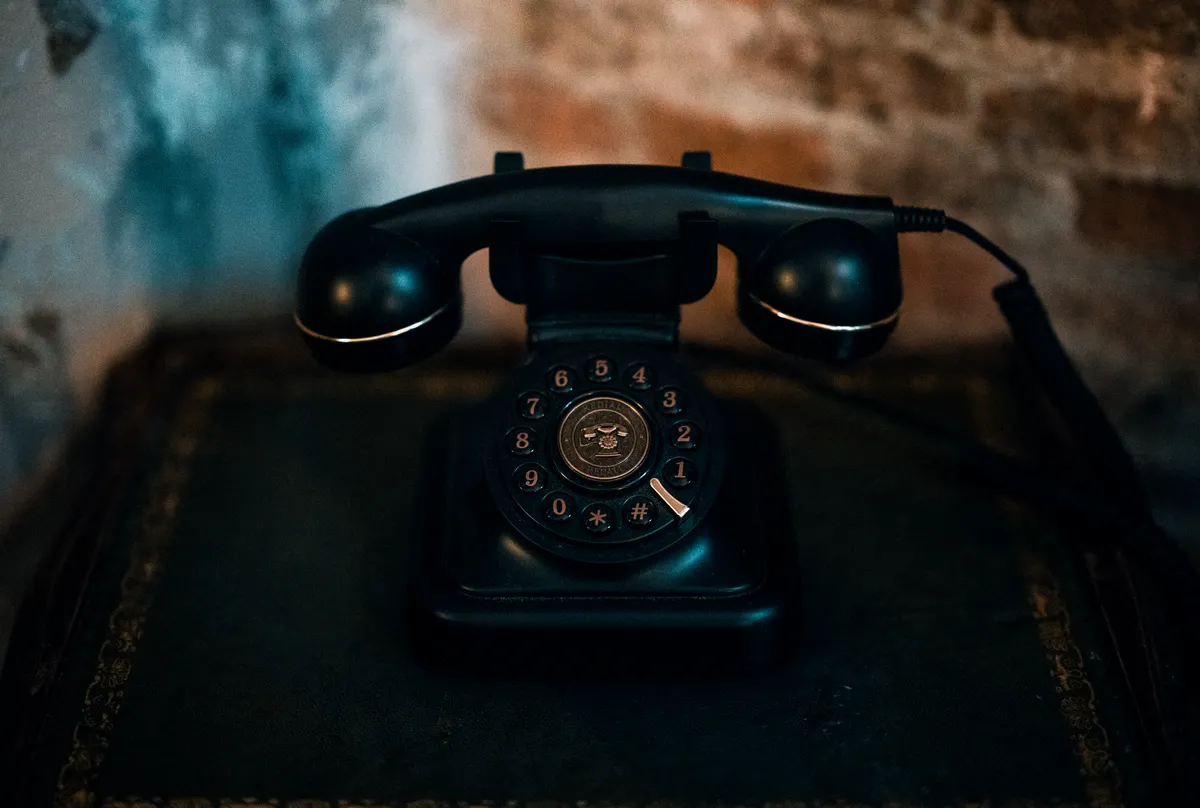
A rotary telephone cellular conversion that leaves the handset entirely unmodified, that is the headline achievement of the fregacmols RotaryCell project, which slots modern cellular hardware behind a classic rotary instrument without touching a single wire inside the phone itself.
Hardware at the Heart of the Rotary Telephone Cellular Conversion
The centrepiece of the build is a LilyGO T-A7670G-S3 Standard board. That single module bundles an ESP32-S3 controller, an A7670 cellular modem, battery charging circuitry, and a cellular audio interface, essentially everything needed to act as both the brain and the radio link. It is a tidy choice for a project where physical space inside or alongside a vintage instrument is always at a premium.
Bridging the gap between the T-A7670G-S3 and the telephone itself is a Silvertel AG1171 subscriber-line interface circuit, commonly abbreviated to SLIC. The AG1171 handles the telephone-line circuitry that any old rotary handset expects to see: it senses the switch-hook state, so the system knows when the receiver has been lifted or replaced, and it drives the mechanical ringer bell directly. That last point matters, there is no software-synthesised buzz from a piezo here, but the satisfying clatter of the original electromechanical bell responding to an incoming call, just as it always did.
Completing the hardware picture is a custom Audio and Reset board, designated A4. This PCB provides adjustable transmit and receive audio conditioning, giving the builder control over levels that might otherwise cause the cellular modem and the vintage handset’s carbon microphone to argue. It also incorporates a hardware power-cycle circuit, included specifically for those situations where a software-only modem reset proves insufficient to recover the system, a practical acknowledgement that modems, even modern ones, occasionally need a proper hard restart rather than a polite software nudge.
Software Simulation and Special Codes
On the software side, the ESP32-S3 does a thorough job of pretending to be a North American subscriber line. Lift the receiver and you hear a dial tone. Dial a number on that spinning disc and the pulses are decoded correctly. Receive a call and the original bell rings, the AG1171 driving it as described above. For anyone who grew up with this sound as the only indication of an incoming call, that is a detail worth savouring.
Two special dialling codes extend the functionality beyond ordinary calls. One opens a wireless network access point intended for maintenance, useful when you need to update configuration without disassembling the whole arrangement. The other triggers a diagnostic mode, presumably for fault-finding when something in the cellular or audio chain misbehaves. Neither code requires any modification to the telephone itself, which remains as it left the factory.
That commitment to leaving the instrument unmodified is, arguably, the most thoughtful aspect of the whole design. Surviving rotary telephones are not getting any younger, and a reversible build means the phone can return to purely decorative duty, or to another project entirely, without consequence.
A Rich History of Rotary Phone Projects
Rotary telephones have attracted makers and hardware enthusiasts for years, and RotaryCell joins a long line of creative reimaginings. The RotaryCell approach (using a SLIC to present a convincing subscriber line) is one of the cleaner solutions to the fundamental problem of connecting pulse-dialling hardware to a world that has largely moved on from copper telephone exchanges. Other builds over the years have taken different routes to reach the cellular network, each with its own trade-offs in complexity, audio quality, and fidelity to the original instrument’s feel.
The full design files, firmware, and documentation for the rotary telephone cellular conversion are available on the fregacmols RotaryCell GitHub repository, and the project is open for anyone who has a spare rotary telephone gathering dust and a willingness to assemble a small stack of modern boards around it.
