


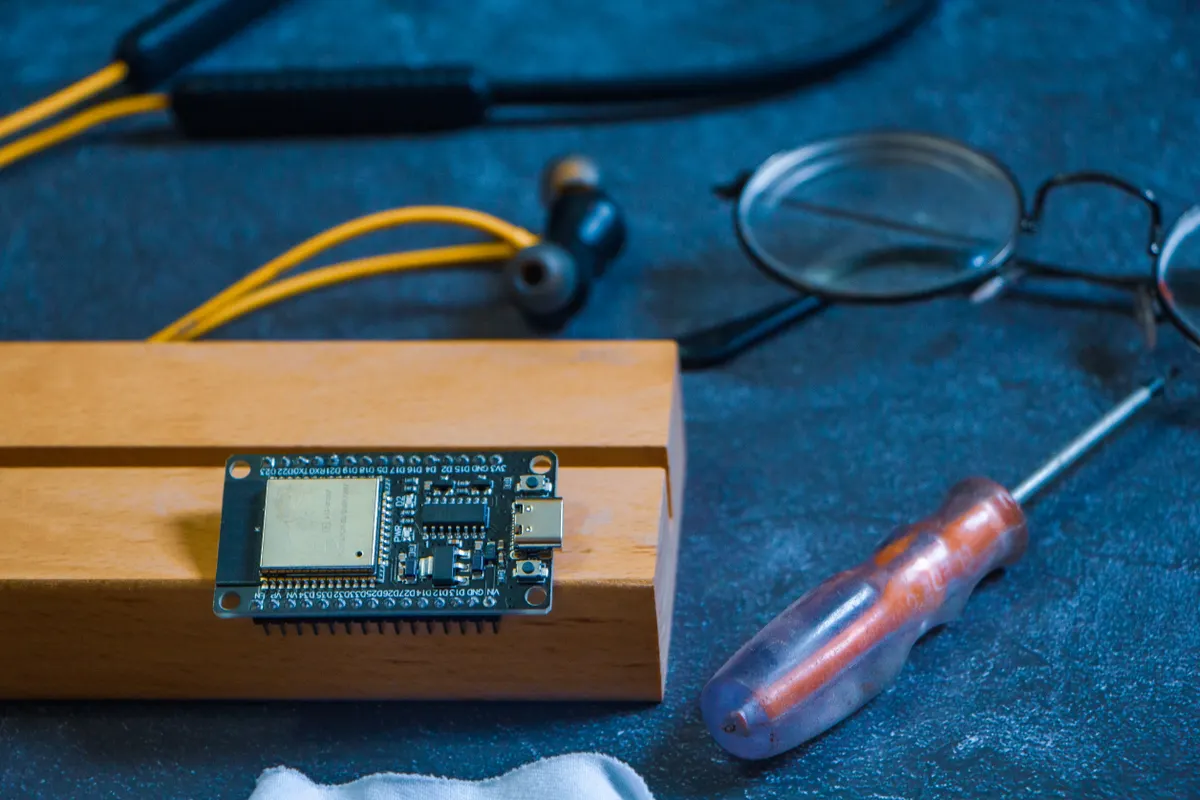
The tiny386 RP2350 emulator has arrived, bringing full i386 PC emulation to Raspberry Pi’s RP2350 microcontroller and opening up a surprisingly capable slice of 1990s computing for the price of an inexpensive development board. Ports are now available for both the FRANK emulation platform and the Waveshare Pi Zero boards, giving hobbyists two concrete routes into 32-bit emulated PC territory.
What Tiny386 Actually Is
Tiny386 started life as an x86 PC emulator written in C99, as noted by the Adafruit Blog, originally targeting ESP32 boards. The goal was always ambitious: a 386 PC with enough i486 and i586 instructions enabled to run a modern Linux kernel on hardware that costs a few pounds. That it manages this on minimum-spec ESP32 silicon is already an achievement worth celebrating.
The move to the RP2350 is a natural step up. The RP2350’s dual-core Cortex-M33 architecture offers more headroom than the ESP32’s Xtensa cores, and the tiny386 RP2350 port promises better performance as a result. How much better remains to be seen in day-to-day use, but the direction of travel is encouraging.
Tiny386 RP2350 Emulator: What the Hardware Can Do
According to the FRANK-386 GitHub repository, the emulator implements full i386 CPU emulation alongside partial i486 and i586 instruction support, with an optional x87 floating-point unit. That x87 support matters more than it might first appear: a surprising amount of older software leans on FPU instructions, and having it available widens the usable software library considerably.
Memory-wise, the FRANK-386 implementation supports up to 8MB of RAM using 8MB PSRAM. That figure sits comfortably above what DOS and Windows 3.1 require, and is genuinely workable for a lean Linux setup too. It is not the kind of headroom you would want for a modern distribution, but for the target operating systems it is perfectly reasonable.
Peripheral support rounds out the picture neatly. VGA and DVI/HDMI output are both on the table, which means you can connect the board to a real display rather than squinting at a serial terminal. For a device that fits in the palm of a hand, that is a proper computing experience rather than a developer curiosity.
The Software Library Is the Real Argument
The honest truth about running emulated 386 hardware is that the performance ceiling keeps the most demanding software out of reach. The ESP32 version of tiny386 is usable but not quick, and even with the RP2350’s improvements it is not going to replace a real machine for anything time-sensitive. What the emulator does offer, though, is access to an enormous catalogue of software that was written for exactly this class of hardware.
DOS, Windows 3.1, and Windows 95 all run on the platform. Older Linux kernels are supported too. Between those targets you have decades’ worth of applications, utilities, and games that were designed to run well on modest hardware, because modest hardware was all there was. A lean Linux setup in particular opens up a range of genuinely useful computing tasks: text editing, programming, network tools. The 1990s were not short of serious software.
The FRANK platform boards are designed specifically around this kind of emulation use case, and the Waveshare Pi Zero form factor keeps things compact. Anyone curious about building their own should start at the Raspberry Pi RP2350 ecosystem for context on the underlying silicon, then follow the FRANK-386 repository for the current build instructions and supported peripherals. The project is active, the ports are real, and the software library waiting on the other side of a successful build is larger than most people remember.
