


A Raspberry Pi 5 tucked behind a large e-paper screen is running BirdNET-Go bird identification in real time, turning whatever happens to be singing outside into a hand-assembled collage of 19th century natural history illustrations, and the result is one of the more quietly delightful AI projects to appear in a while.
The build comes from Hackaday contributor arnegiacomo, based in Norway. A USB microphone listens continuously to the garden soundscape. BirdNET-Go processes that audio on the local Raspberry Pi hardware, identifies each species it hears, and the e-paper display then assembles an image of exactly those birds, drawn from the illustrated plates you would recognise from Victorian and Edwardian bird-spotting guides. The collage updates as the bird population outside shifts. What you end up with is not a graph or a data table, it is something that looks, genuinely, like a page torn from a beautiful old field guide, except that it is reflecting the actual birds present at this moment.
What BirdNET-Go Bird Identification Actually Does Under the Hood
BirdNET-Go is an open-source, AI-powered soundscape analyser designed to run entirely on local hardware, delivering 24/7, real-time bird species identification without routing audio through a remote server, according to AI Tinkerers. That local-first design matters here. The Raspberry Pi 5 is doing all of this itself, no cloud dependency, no latency introduced by a round-trip to an external API, and no audio leaving the machine. For a project that is supposed to feel organic and present-tense, that architecture suits the intention well.
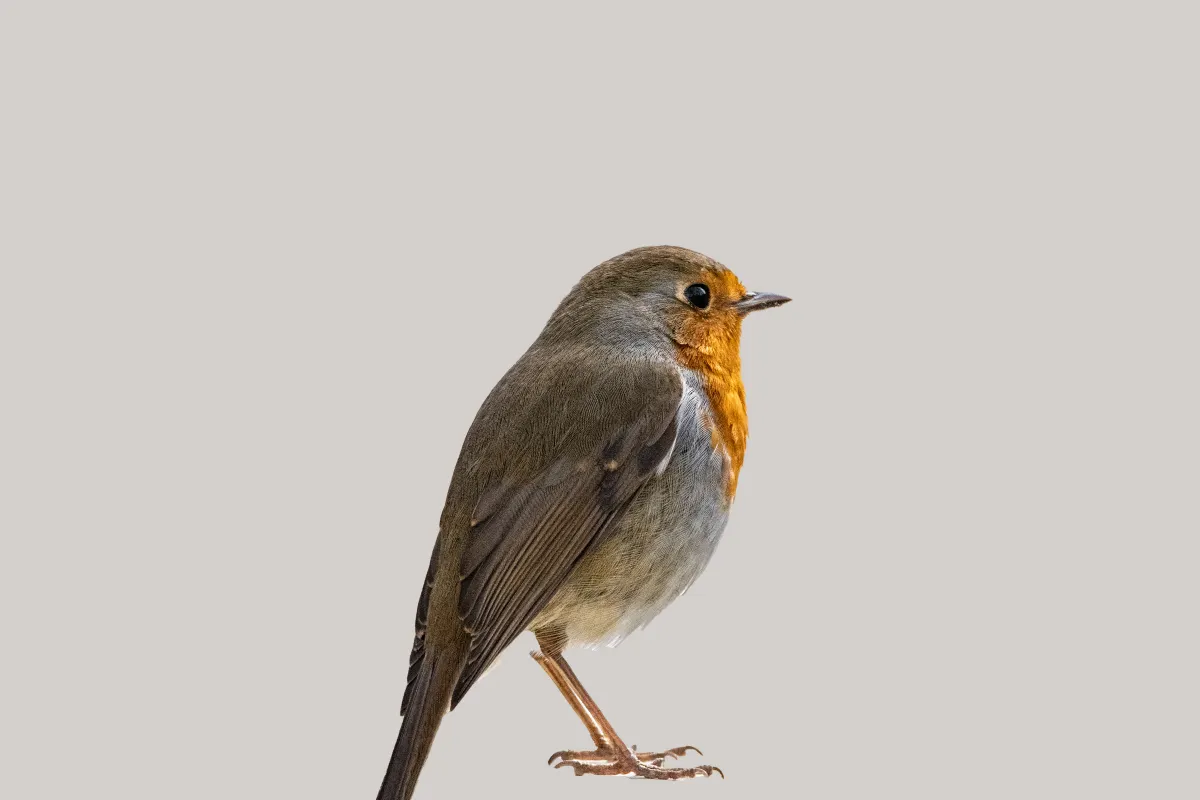
The species it is currently detecting are visible live, and they form a representative cross-section of the European birds you would expect to encounter in Norway. Blackbirds, thrushes, tits, finches, the usual suspects of a Northern European garden, rendered in the style of illustrations that predate photography’s dominance of natural history publishing. There is something pleasingly paradoxical about a Z80-era aesthetic sensibility (patient, analogue, beautifully printed) being reconstructed by a modern single-board computer running machine-learning inference in real time.
Why the Raspberry Pi 5 Makes This Practical
The Raspberry Pi 5 is doing heavier lifting than its predecessors could have managed for a task like this. Running a continuous AI audio classifier alongside the display-generation logic would have been uncomfortable territory for a Pi 3 or even a Pi 4 at scale. The Pi 5’s improved processing headroom makes BirdNET-Go bird identification genuinely viable as an always-on background process, rather than something that needs to be triggered manually or run in batches.
The e-paper display is a good choice for the same reason it is a good choice in e-readers: it holds the image with no backlight, no refresh flicker, and virtually no power draw once updated. A living field guide that is also a low-energy, ambient display, sitting on a wall or shelf, quietly updating as a new species calls from the garden, feels entirely appropriate for a project whose aesthetic is rooted in an era before electricity reached the naturalist’s study.
The collage assembly is the part that really ties it together. Sourcing images from 19th century bird-spotters guides means the illustrations carry that characteristic style: detailed, hand-engraved plates with the slightly formal, taxonomic precision of the period. Assembled dynamically based on live acoustic data, they become something new, neither a historical document nor a purely technical readout, but a meeting point between the two.
It is also worth noting that arnegiacomo’s build is not the first to explore this space, though the combination of e-paper display, on-device BirdNET-Go bird identification, and Victorian illustration retrieval gives this particular version a character of its own. The open-source nature of BirdNET-Go means the underlying classifier is available to anyone with a Pi and a USB microphone who fancies building their own version, the hardware bill of materials is not exotic, and the software is freely available to adapt.
