


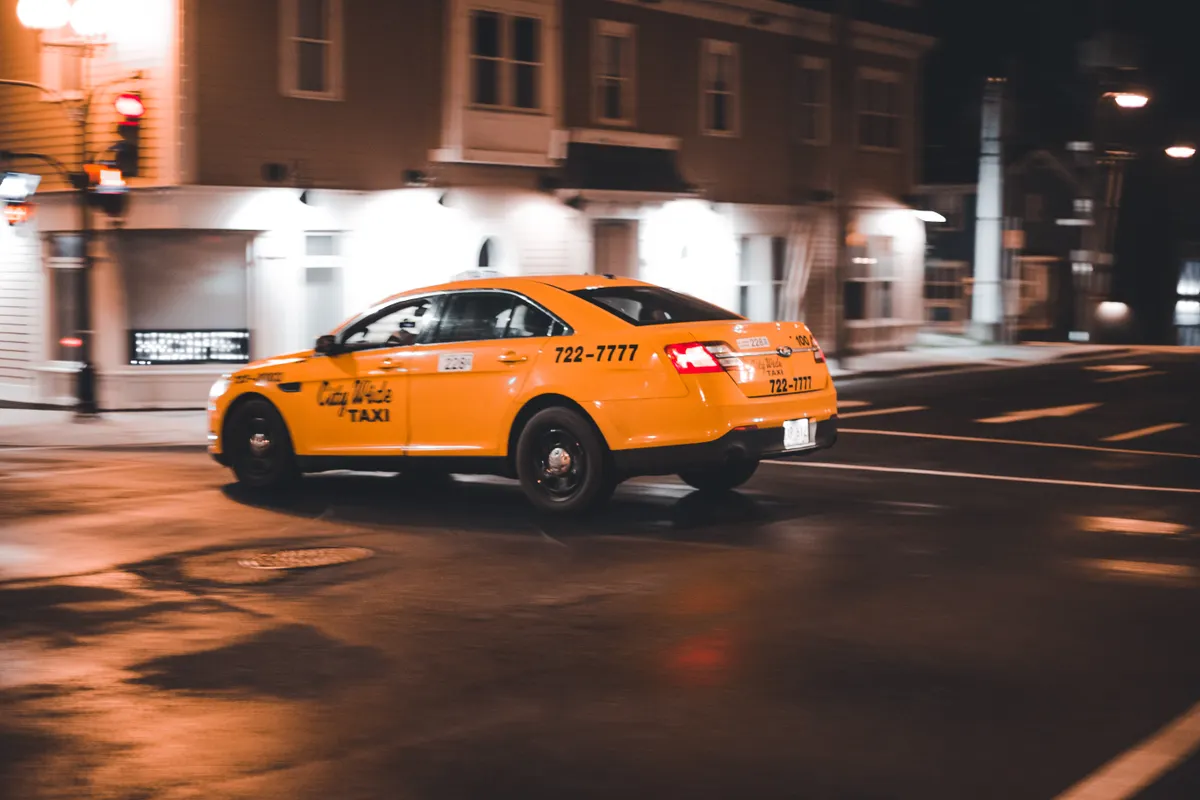
A hands-on Crazy Taxi World Tour preview at Gamescom made one thing clear: Sega has not simply dusted off the Dreamcast original and shipped it with a new coat of paint. Thirty minutes passed in what felt like ten, and that is perhaps the most honest endorsement you can give a game still under development.
The Original’s DNA, Kept Intact
The first Crazy Taxi arrived in arcades in 1999, and then on the Dreamcast in 2000, and it has never really gone away. It still sells across multiple platforms in 2026, which makes the challenge for a successor genuinely complicated. How do you build on a game that, by most measures, still works?
Sega’s answer has been to bring back the original creator and designer, Kenji Kanno, and to treat the identity of the series as untouchable. The moment you pick up your first fare in World Tour, the familiar ‘YEAH YEAH YEAH YEAH YEAH’ rings out, The Offspring’s contribution to gaming history as present as ever. That decision alone signals what Sega and Kanno are trying to do: expand the game without erasing it.
What has changed is the structure. The original was an arcade title at its core, built around a ticking clock and the expectation that another coin would follow. Three-minute runs, a scoreboard, and almost no progression between sessions. It was a masterclass in immediate, exhilarating gameplay, but it was never designed for the kind of long evening a modern player might want to give it. World Tour strips away the time limit entirely and replaces it with what might be called a shift-session model, where you stay out on the road for as long as you choose.
Crazy Taxi World Tour Preview: What Is Actually New
The passengers themselves are one of the more considered additions. Each regular fare comes with a distinct personality, and the drop-off locations they request are tied to who they are as characters. They also function, quietly, as in-game tutorials, easing new players into the mechanics without a menu screen doing the explaining. It is an approach that makes the experience feel coherent rather than bolted-together.
Vehicle progression replaces the original’s four fixed taxi choices. Players can tune and upgrade their cab to suit a preferred style, whether that means absorbing collisions more efficiently or prioritising agility through tight traffic. For the up-to-six-player multiplayer mode, careful tuning could provide a real competitive edge. Whether that translates into a presence at LAN events remains to be seen, but the foundation is there.
Five cities spread across different world regions replace the single setting of the original, broadening the cultural scope of the game considerably. The UI stays close to what returning players will recognise, while the visual assets have been rebuilt from scratch.
On platforms, TechRadar reports that Crazy Taxi World Tour will launch on PlayStation 5, Xbox Series X, Xbox Series S, Nintendo Switch 2, and PC. That cross-platform reach gives the game a wider landing surface than any entry in the series has had before.
One issue that surfaced during development was the use of AI-generated assets in early builds, which drew criticism from fans concerned about the series’ visual character. Sega has since stated that all assets in the final build will be crafted by artists. Kanno’s involvement was always framed as a safeguard for the legacy of the series, and on that front the hands-on at Gamescom suggested his influence is felt throughout.
Crazy Taxi World Tour carries a 2027 release window with no specific date confirmed at the time of writing. Based on thirty minutes that felt like far less, it has earned the wait.
