

Close Menu
Retro ComputersRetro Computers
    Facebook X (Twitter)
    • Privacy policy
    • Terms and Conditions
    Facebook X (Twitter)
    Retro ComputersRetro Computers
    • Home
    • About Us
    • News
    • Finance
    • Health
    • Others
      • Politics
      • Entertainment
      • Lifestyle
      • Property
      • Technology
      • Travel
      • World
    • Contact us
    Subscribe
    Retro ComputersRetro Computers
    You are at:Home » AROS Bare Metal Raspberry Pi Port Brings 64-Bit Amiga to ARM
    Technology

    AROS Bare Metal Raspberry Pi Port Brings 64-Bit Amiga to ARM

    Mark SpicerBy Mark SpicerAugust 31, 2026No Comments3 Mins Read
    Facebook Twitter Pinterest Telegram LinkedIn Tumblr Email Reddit
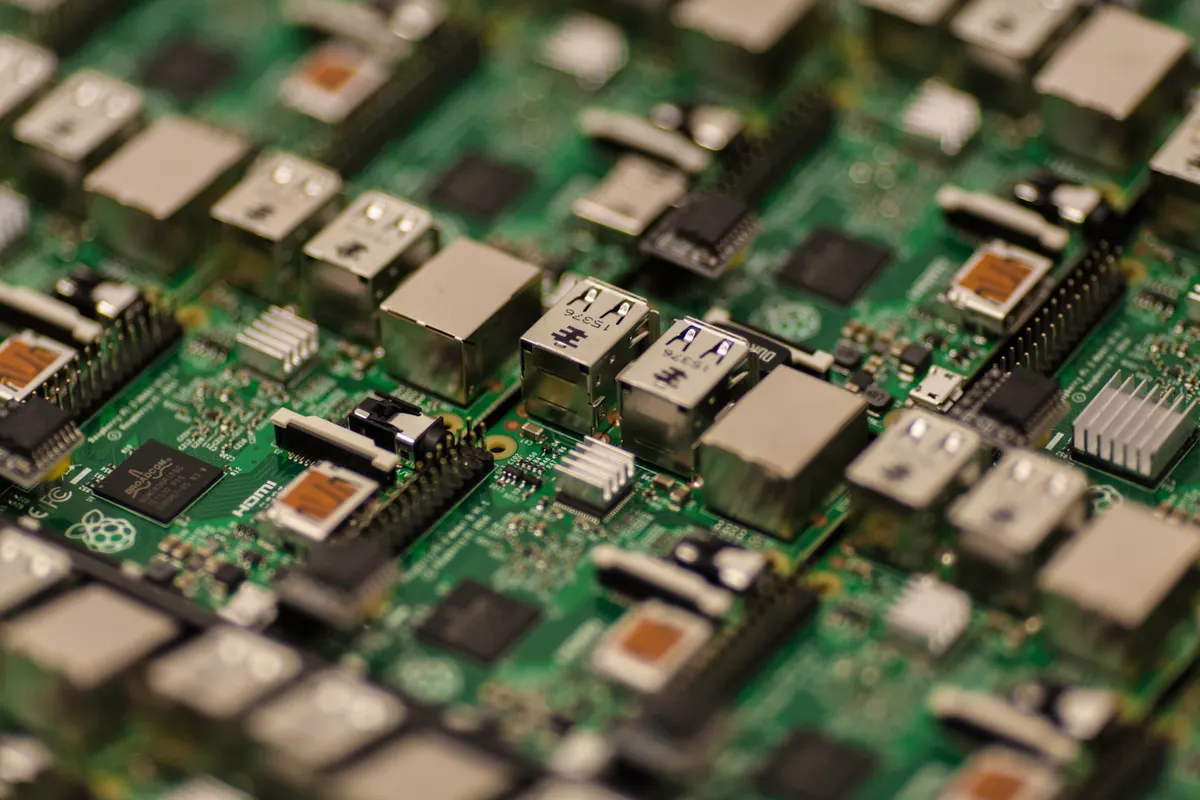
    AROS bare metal Raspberry Pi
    Share
    Facebook Twitter LinkedIn Pinterest WhatsApp Email

    The AROS Research Operating System has been ported to run AROS bare metal on Raspberry Pi, booting directly on the hardware in both 32-bit and 64-bit versions, which means there is now a 64-bit Amiga-compatible operating system running natively on ARM silicon.

    From Virtualisation to Bare Metal

    Until now, running AROS on a Raspberry Pi meant going through Linux as a virtualisation layer, putting it in broadly the same category as any other Amiga emulator. That arrangement works well enough, but it carries all the overhead and indirection that virtualisation implies. Booting bare metal changes the proposition entirely: the OS speaks directly to the hardware, and the result is boot times described as rival to RiscOS, which is itself no slouch in that department.

    The current target board is the Pi 3, though forum discussion has already moved on to the Pi 4 and the Zero 2W. This is very much a work in progress and early days, but the trajectory is clear enough.

    AROS Bare Metal Raspberry Pi and the Wider Platform Story

    AROS has never been a single-platform project. Beyond its x86 builds, there is a PowerPC port whose code contributed substantially to MorphOS, a back-port that returns the system to original Amiga 68k hardware, and a build targeting RISC-V. The ARM port for the Pi slots into a deliberate philosophy among AROS developers: keep the Amiga legacy mobile, untethered from any specific piece of silicon.

    The MorphOS connection is worth pausing on. The PPC port of AROS supplied a meaningful body of code to MorphOS, which means the two projects share more history than their separate branding might suggest. Both are, in their own ways, attempts to carry Amiga-lineage computing forward on modern hardware rather than preserve it under glass.

    Software availability on the ARM build is the honest limitation at this stage. While some titles have been recompiled for ARM, the catalogue is thinner than what x86 AROS users enjoy, and it lacks some of the more fully featured applications available on that platform. That gap is expected to narrow as the port matures and the community has time to rebuild and test software against the new target.

    What It Gives the Retro Community

    For former Amiga owners, the appeal is straightforward. Running AROS bare metal on Raspberry Pi hardware that costs very little and fits in a shirt pocket is a different experience from running an emulator on a general-purpose Linux box. The Pi is cheap, quiet, and draws almost nothing from the wall, which makes it a reasonable daily driver for anyone whose computing needs align with what an Amiga-lineage OS can provide.

    The port also matters as a demonstration. A 64-bit Amiga-compatible OS running natively on ARM is not a trivial thing to dismiss. The original Amiga hardware used the Motorola 68000 family; the journey from a 7.09 MHz 68000 to a multi-core ARM Cortex running AROS bare metal is a long one, and the fact that the codebase has made it is a credit to everyone who has kept the project alive across the decades.

    Dan Wood documented the port running in a video, and the tip came to light via Stephen Walters. Forum threads are already tracking progress on expanded board support, so anyone with a Pi 4 or a Zero 2W has reason to keep an eye on how the project develops.

    AROS developers have stated that support for additional Pi boards is expected to expand beyond the current Pi 3 target as the port progresses.

    Post Views: 17
    Share. Facebook Twitter Pinterest LinkedIn Reddit WhatsApp Telegram Email
    Previous ArticleLiam Kloppers Hacks Bluetooth Shock Collar to Zap His Doomscrolling Habit
    Next Article Home Fabricated LED Chips Soldered to PCB Using Indium Bumps
    Mark Spicer

    Mark Spicer has been working in and writing about technology for the better part of two decades. He started as a systems administrator at a financial services firm, moved into IT consulting, and spent six years at a fintech building payment infrastructure before going freelance. He writes about fintech, enterprise software, cybersecurity, and the technology decisions that companies make badly and expensively. He has migrated enough legacy systems to know that 'digital transformation' usually means 'we should have done this five years ago'. Mark lives in Reading. He still builds PCs for fun and considers the command line a perfectly good user interface.

    Related Posts

    Home Fabricated LED Chips Soldered to PCB Using Indium Bumps

    August 31, 2026

    Liam Kloppers Hacks Bluetooth Shock Collar to Zap His Doomscrolling Habit

    August 31, 2026

    Foden Steam Wagon Restoration: From a Buckinghamshire Field to the Road

    August 30, 2026
    Leave A Reply Cancel Reply

    Categories
    • Automation
    • Automotive
    • Awards
    • Books & Publishing
    • Business
    • Celebrities
    • Community Development
    • Digital Marketing
    • Education
    • Electronics
    • Energy & Sustainability
    • Entertainment
    • Environment
    • Event
    • Fashion & Beauty
    • Featured
    • Finance
    • Food & Drink
    • gaming
    • Health
    • law & Policy
    • Lifestyle
    • Media & Entertainment
    • News
    • Politics
    • Property
    • Science
    • Sports
    • Technology
    • Telecom
    • Transport & Vehicle
    • Travel
    • Vehicle
    • World

    Home Fabricated LED Chips Soldered to PCB Using Indium Bumps

    AROS Bare Metal Raspberry Pi Port Brings 64-Bit Amiga to ARM

    Liam Kloppers Hacks Bluetooth Shock Collar to Zap His Doomscrolling Habit

    Foden Steam Wagon Restoration: From a Buckinghamshire Field to the Road

    Yoniq Duo Dual-Screen Handheld Brings a Stylus to Retro Emulation

    Stay informed with Retro computers – your source for reliable news and expert insights. Explore our site for the latest stories and updates.

    Email Us: info@brittanybathgate.co.uk
    Contact: +1-320-0123-451

    Pages
    • About Us
    • Contact us
    • Privacy policy
    • Terms and Conditions

    Subscribe to Updates

    Get the latest creative news from FooBar about art, design and business.

    © 2026 Retro Computers

    Type above and press Enter to search. Press Esc to cancel.